

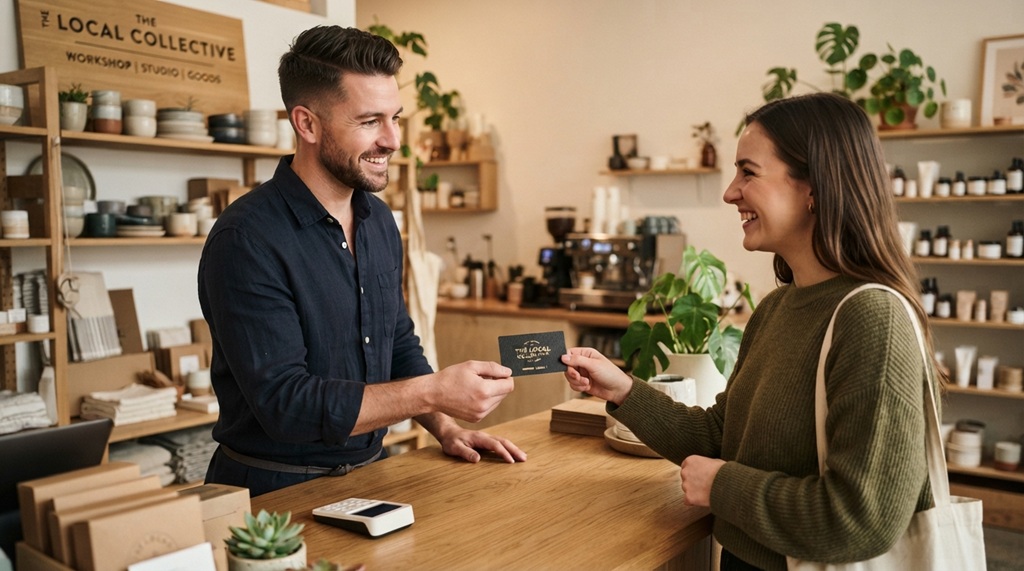
You build a loyalty program that keeps buyers by rewarding the behavior you want, making rewards easy to earn, and keeping costs under control. Start with a clear goal. Then pick a program type that fits your customers and your margins.
Many businesses launch a program and watch it fade. The cause is usually weak planning, not a lack of customers. A good program feels fair, simple, and useful to the buyer.
This guide shows you how to plan, design, and improve a loyalty program. You will also see practical ideas you can adapt to your own business.
Start With Clear Goals and Customer Data
Every strong loyalty program starts with a specific goal. Without one, you cannot judge whether the program works. Your goal might be more repeat purchases, larger orders, or longer customer relationships.
Next, look at the data you already have. Check how often customers buy, how much they spend, and when they stop returning. These numbers show where a program can help most.
Set One Primary Goal
Pick one main goal before you design any rewards. For example, a coffee shop may want more weekly visits. An online store may want to raise average order value. A software company may want fewer cancellations.
A single goal keeps your design focused. It also makes results easier to measure later.
Know Your Customer Segments
Not all buyers act the same way. Some shop often and spend little. Others buy rarely but spend a lot. Group customers by habits, and then ask what each group values.
Your best customers deserve special attention. However, do not ignore newer buyers. A program that rewards only top spenders can make everyone else feel left out.
Choose the Right Loyalty Program Model
The best loyalty model matches how your customers buy. Frequent, low-cost purchases suit points or punch cards. Higher-priced or less frequent purchases often suit tiers or paid memberships. Review each option below and compare it with your own sales pattern.
Points-Based Programs
Customers earn points for each purchase and trade them for rewards. This model is easy to understand. It also works well for retail, food, and online shopping.
Starbucks Rewards is a well-known example. Members earn stars on purchases and redeem them for food and drinks. The idea is simple, and that simplicity helps customers stay engaged.
Tiered Programs
Tiered programs give customers higher status as they spend more. Each tier unlocks better perks, such as early access or free shipping. This approach creates a clear goal for buyers to chase.
Tiers work best when the next level feels reachable. If the top tier seems impossible, customers may give up. Therefore, set thresholds that most active buyers can reach within a year.
Paid Membership Programs
In a paid program, customers pay a fee for ongoing benefits. Amazon Prime is a familiar example. Members pay upfront and get perks like faster shipping and added services.
This model builds commitment because buyers want to get value from their fee. It also gives you steady revenue. On the other hand, you must deliver benefits that clearly outweigh the cost.
Cashback and Credit Programs
Cashback returns a small share of spending as store credit or money. Buyers understand the value right away. This model suits businesses with higher prices or thin competition on features.
Store credit also brings customers back, because they must return to use it. Moreover, it avoids the confusion of point conversions.
Loyalty Program Ideas That Keep Buyers Coming Back
The best loyalty program ideas go beyond discounts. They make customers feel valued and give them reasons to return. Mix a few of the ideas below, and test what your audience likes most.
Reward More Than Purchases
You can reward actions that help your business grow. For instance, give points for writing a review, referring a friend, or following your brand on social media. These actions build trust and bring in new buyers.
This approach also keeps customers involved between purchases. As a result, your brand stays on their minds.
Offer Early Access and Exclusive Perks
Many buyers value access more than a small discount. Let members shop new products first or join special sales. You can also offer members-only events or limited editions.
These perks cost little, yet they create a sense of belonging. In addition, they give customers a reason to join in the first place.
Personalize Rewards
Personal offers show that you pay attention. Use purchase history to suggest rewards that fit each buyer. A customer who often buys running gear might enjoy a bonus on new shoes.
Personalization does not need to be complex. Even a birthday reward or a “we miss you” offer can bring buyers back.
Add Surprise and Delight
Small, unexpected gifts can strengthen a relationship. Send a thank-you note, a free sample, or a bonus point day. Surprise rewards feel more personal than routine ones.
Keep these gestures genuine. Customers can tell when a reward is a gimmick.
Create a Sense of Progress
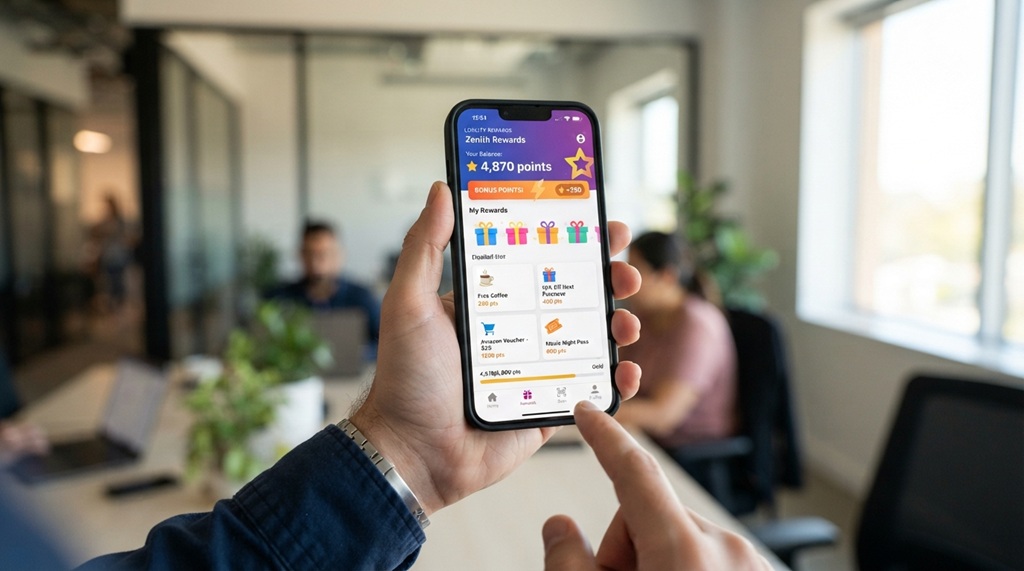
People like to see how far they have come. Show a progress bar toward the next reward or tier. Clear progress motivates buyers to take one more step.
Likewise, celebrate milestones. A message that says “You are two purchases away” can drive action.
Design Rewards That Protect Your Margins
A loyalty program must pay for itself. Rewards should encourage profitable behavior without eating your profit. Test the math before you launch.
Calculate the Real Cost of Each Reward
Start by finding the cost of every reward you plan to offer. Include the product cost, any shipping, and the staff time involved. Then compare that cost with the extra sales you expect.
For example, a free item that costs you little but feels valuable is a smart choice. A deep discount on a low-margin product may not be.
Set Fair Earning and Redemption Rules
Rules should be easy to grasp. If customers need a calculator to understand points, they will stop trying. Aim for a rule you can explain in one sentence.
Also, choose a reasonable expiration policy. Short deadlines can frustrate buyers. Longer windows keep goodwill high, although they may increase your future cost.
Use Rewards to Guide Behavior
You can shape buying habits through reward design. Offer bonus points on slow days to even out traffic. Give extra value for bundles to raise order size. These small nudges help you reach your main goal.
Streamlining the Member Experience
Effortless onboarding and frictionless reward tracking are the foundation of any high-converting loyalty program. When sign-up forms demand excessive information or redemption rules become overly complex, potential members drop off before realizing value. By minimizing registration barriers and offering clear, real-time balance updates, you lower the threshold for engagement and accelerate repeat purchases. For maximum impact, structure your program around the best customer retention strategies that work to ensure your rewards actively fuel long-term buyer allegiance.
Simplify Sign-Up
Ask only for the details you truly need, such as a name and email. You can collect more information later. Offer a small welcome reward to give people a reason to finish.
Also, let customers join at the point of sale. Whether in store or online, the process should take under a minute.
Meet Customers Where They Are
Make the program available on the channels your buyers use. A mobile app, a simple card, or an email login can all work. Choose the method that fits your audience.
In addition, show reward balances in plain sight. When buyers see their points at checkout, they are more likely to use them.
Communicate Clearly and Often
Remind members about their rewards, but avoid spam. Send helpful messages, such as a balance update or an expiring offer. Keep each message short and useful.
Good communication also builds trust. When customers know the rules, they feel treated fairly.
Measure Results and Improve Over Time
You should track a few key numbers to see whether your program works. Review them often, and adjust your design as you learn. A loyalty program is never finished.
Track the Right Metrics
Focus on measures tied to your original goal. Useful options include:
- Repeat purchase rate
- Average order value
- Customer retention rate
- Program sign-up and active member rates
- Cost of rewards compared with revenue from members
Compare members with non-members to see the difference. This view shows whether the program adds real value.
Test and Adjust
Try small changes before you roll out big ones. For example, test two reward levels with different groups of customers. Then keep the version that performs better.
Ask members for feedback as well. Short surveys can reveal what they enjoy and what confuses them. Consequently, you can fix problems before they hurt retention.
Common Mistakes to Avoid
Most loyalty programs fail for simple reasons. Knowing them in advance helps you steer clear. Watch for these common problems.
First, avoid making rewards too hard to earn. If customers feel stuck, they lose interest. Second, do not copy a competitor without checking your own numbers. A model that works for one business may not suit yours.
Third, avoid treating loyalty as a discount contest. Constant discounts train buyers to wait for sales. Instead, build value through service, access, and recognition.
Finally, do not launch and forget. Customer needs change, and your program should change with them. Review it at least once or twice a year.
Frequently Asked Questions
What is the easiest loyalty program to start?
A points-based or punch-card program is usually the easiest. Customers understand it quickly, and you can set it up with simple tools. Start small, and then add tiers or perks as you learn.
How much should a loyalty program reward customers?
There is no single right number. Set rewards at a level that feels meaningful to buyers while protecting your margins. Test your costs against the extra sales you expect before you launch.
Are paid loyalty programs worth it?
Paid programs can work when the benefits clearly beat the fee. They suit businesses with frequent buyers and strong perks, like fast shipping. If your customers buy rarely, a free program may fit better.
How do I know if my loyalty program is working?
Compare members with non-members on repeat purchases, order value, and retention. If members buy more often or spend more, the program adds value. Also check that reward costs stay below the revenue they generate.
Can small businesses run loyalty programs?
Yes, small businesses can run effective programs with low-cost tools. A simple punch card or email-based points system is often enough. Personal service can even make a small program feel more special.
Conclusion
Strong loyalty program ideas start with a clear goal, a fair model, and rewards that customers value. Keep the rules simple, protect your margins, and make joining easy. Then track results and improve over time.
Your next step is simple. Pick one goal, choose one program model, and run a small test with a group of customers. Learn from the results, and then grow the program with confidence.
