

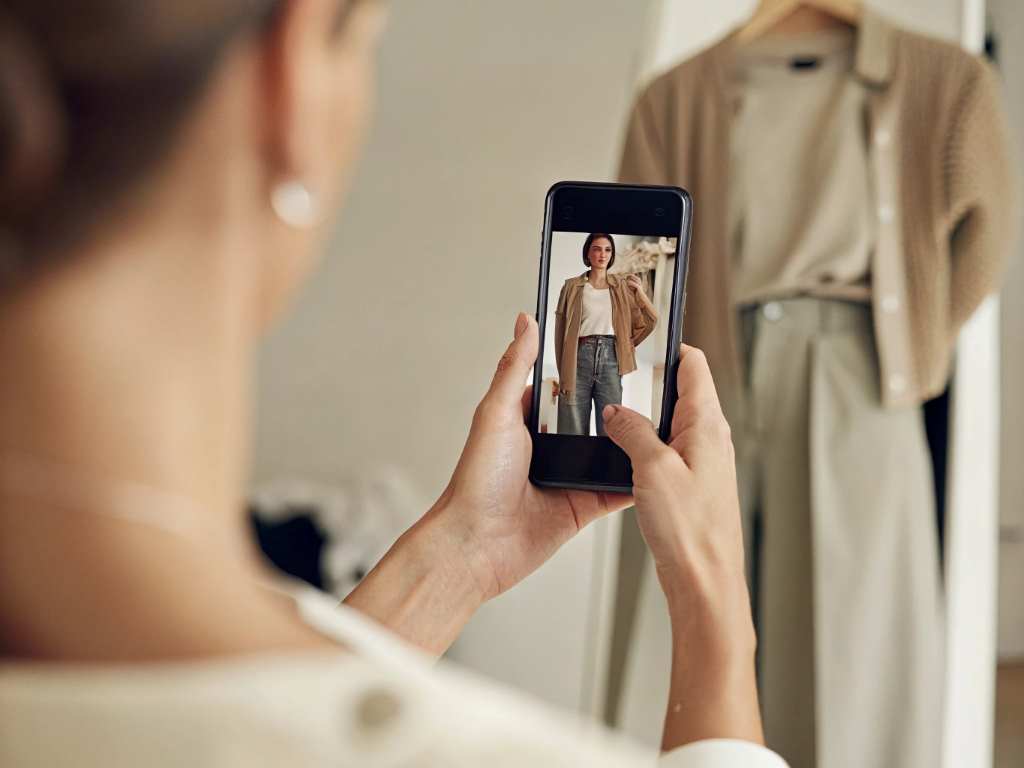
Imagine slipping into a sleek leather jacket or a flowing summer dress without leaving your couch. AR-powered virtual try-on in apparel makes this possible, blending technology with fashion to create immersive shopping experiences. This innovation lets you see how clothes fit and look on your body using just your smartphone or computer. It’s changing how we shop, offering convenience and confidence. According to a 2023 Statista report, 35% of shoppers prefer virtual try-on tools for online purchases. As someone who once struggled to find the perfect dress online, I was thrilled when I first used an AR tool to “try on” outfits. This blog explores how AR-powered virtual try-on in apparel is shaping the future, making shopping fun, accessible, and precise.
What Is AR-Powered Virtual Try-On?
AR-powered virtual try-on in apparel uses augmented reality to project digital clothing onto your body in real-time. By using a smartphone camera or AR glasses, you see yourself wearing different outfits instantly. This technology relies on 3D modeling, computer vision, and machine learning to map your body and align garments accurately. For example, brands like Zara and Nike offer apps where you can try on clothes virtually.
This innovation solves a major online shopping pain point: uncertainty about fit and style. A 2024 McKinsey study found that 40% of online shoppers return clothes due to poor fit. AR-powered virtual try-on reduces this by showing how an outfit looks on you. Personally, I used an AR app to try a blazer, which saved me from ordering the wrong size. It’s like having a fitting room at home.
The technology is user-friendly. You scan your body, select an outfit, and see it overlaid on your image. It’s fast, engaging, and boosts confidence in buying decisions. As more brands adopt it, virtual try-on is becoming a must-have for modern retailers.
Why AR-Powered Virtual Try-On Is Gaining Popularity
The rise of AR-powered virtual try-on in apparel stems from its ability to bridge the gap between online and in-store shopping. Consumers want convenience without sacrificing the tactile experience of trying clothes. AR delivers this by offering a visual, interactive solution. In 2023, Gartner reported that 25% of major retailers integrated AR try-on tools, with adoption growing 15% annually.
Additionally, it appeals to younger shoppers. Millennials and Gen Z, who prioritize tech-driven experiences, drive demand. I remember using an AR app to try sunglasses with friends—it was fun and felt futuristic. Beyond fun, it saves time and reduces returns, benefiting both shoppers and retailers. However, challenges like high development costs and device compatibility remain. Still, as smartphones improve, AR’s accessibility grows, making it a game-changer in fashion retail.
How AR Enhances the Shopping Experience
AR-powered virtual try-on in apparel transforms shopping into an engaging, personalized journey. Unlike static images, AR lets you see clothes from every angle, mimicking an in-store experience. You can mix and match outfits, experiment with colors, and even see how fabrics move. This interactivity boosts confidence in purchases.
Moreover, AR tailors the experience to you. Some platforms use AI to suggest sizes based on your measurements, reducing guesswork. For instance, I once hesitated to buy a pair of jeans online, but an AR tool showed me the perfect fit, saving me a trip to the store. According to a 2024 Forrester report, 60% of shoppers feel more satisfied with AR-enhanced purchases. However, brands must ensure user-friendly interfaces to avoid overwhelming customers. As AR technology advances, it’s making shopping more intuitive and enjoyable.
Key Benefits of AR Try-On for Shoppers
- Convenience: Try on clothes anytime, anywhere, without visiting a store.
- Accuracy: See how clothes fit your body, reducing return rates.
- Personalization: Get size and style recommendations tailored to you.
- Engagement: Experiment with outfits in a fun, interactive way.
The Role of AR in Reducing Returns and Waste
One of the biggest challenges in online apparel shopping is returns. Shoppers often order multiple sizes or styles, leading to higher costs and environmental impact. AR-powered virtual try-on in apparel tackles this by showing exactly how clothes fit. A 2023 study by Coresight Research found that retailers using AR try-on saw a 25% drop in return rates.
This technology also promotes sustainability. Fewer returns mean less packaging, shipping, and waste. When I used an AR tool to buy a dress, I avoided ordering two sizes “just in case,” which felt like a small win for the planet. Retailers benefit too, as lower returns cut costs. However, AR requires investment in 3D modeling, which can be pricey for smaller brands. As costs decrease, more retailers will adopt AR, making fashion greener.
Challenges and Limitations of AR Try-On Technology
Despite its promise, AR-powered virtual try-on in apparel faces hurdles. Developing accurate 3D models and ensuring compatibility across devices is expensive. Smaller brands may struggle to afford it. Additionally, AR requires powerful cameras and processing power, which not all consumers have. I once tried an AR app on an older phone, and the lag made it frustrating.
Another challenge is replicating fabric texture and movement. While AR shows fit, it can’t mimic how a silk dress feels or drapes. Privacy concerns also arise, as body-scanning apps collect sensitive data. Retailers must address these to build trust. However, advancements in AI and 5G are improving AR’s accuracy and speed, making it more accessible. Overcoming these challenges will solidify AR’s place in fashion.
The Future of AR in Apparel: What’s Next?
The future of AR-powered virtual try-on in apparel is bright. As technology evolves, we’ll see even more immersive experiences. Imagine trying on clothes in virtual stores or seeing how outfits look in different settings, like a beach or office. Integration with AI will make size and style recommendations smarter, enhancing personalization.
Moreover, AR glasses could replace smartphone-based try-ons, offering a hands-free experience. I dream of a day when I can “walk” through a virtual mall, trying on outfits with a glance. Retailers are also exploring AR for in-store use, blending physical and digital shopping. However, widespread adoption depends on affordability and user education. As brands like Gucci and Adidas invest in AR, it’s clear this technology will redefine how we shop for clothes.
Emerging Trends in AR Try-On
- Social Integration: Share try-on looks with friends for instant feedback.
- Virtual Showrooms: Explore 3D stores and try outfits in immersive settings.
- AI Enhancements: Get hyper-personalized style suggestions based on preferences.
How Retailers Can Leverage AR for Growth
Retailers adopting AR-powered virtual try-on in apparel can gain a competitive edge. By offering immersive experiences, they attract tech-savvy customers and boost sales. AR also provides valuable data on customer preferences, helping brands refine their offerings. For example, knowing which styles customers try most can guide inventory decisions.
Smaller brands can start with affordable AR platforms like Snapchat’s AR tools. These require less investment but still deliver engaging experiences. I once saw a local boutique use AR to showcase limited-edition dresses, which drew me in as a customer. However, retailers must train staff and educate shoppers to maximize AR’s impact. By integrating it into apps and websites, brands can create seamless, memorable shopping journeys that keep customers coming back.
Conclusion
AR-powered virtual try-on in apparel is more than a trend—it’s a revolution reshaping how we shop. By offering convenience, reducing returns, and personalizing experiences, it’s transforming the fashion industry. From trying on jeans at home to exploring virtual showrooms, AR makes shopping exciting and efficient. Challenges like cost and device compatibility exist, but advancements are making it more accessible. As someone who’s experienced the joy of finding the perfect outfit through AR, I’m excited for its future. Retailers and shoppers alike should embrace this technology to unlock its full potential. Have you tried AR try-on yet? Share your thoughts in the comments or spread the word about this fashion-forward future!
FAQs
What is AR-powered virtual try-on in apparel?
It’s a technology that uses augmented reality to let you see how clothes look on you digitally, using a smartphone or AR glasses.
How does AR try-on improve online shopping?
It shows how clothes fit and look, reducing guesswork and returns while making shopping interactive and personalized.
Are there privacy concerns with AR try-on apps?
Yes, body-scanning apps collect data, so choose trusted brands with clear privacy policies to protect your information.
Can small retailers afford AR try-on technology?
While costly, platforms like Snapchat’s AR tools offer affordable options for smaller brands to implement virtual try-on.
What’s the future of AR in apparel shopping?
Expect virtual showrooms, AI-driven recommendations, and AR glasses for hands-free, immersive try-on experiences.
