

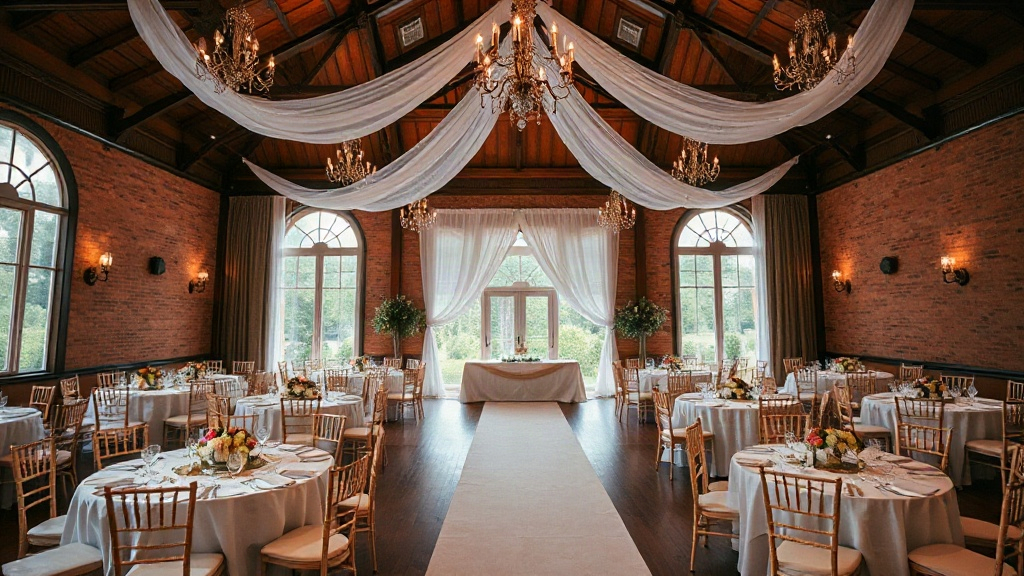
Couples rarely pick a wedding venue by region alone, but the average wedding venue cost by state can shift a budget by tens of thousands of dollars. A ballroom in Manhattan, a barn in rural Ohio, and a vineyard in Napa can all host the same 120 guests, yet the venue line alone may differ by a factor of five. Most couples want one clear answer: what should I expect to pay where I live or plan to marry? The honest response involves regional labor rates, demand, taxes, and the type of space you choose. If you want a wider planning perspective beyond numbers, //weddingstyleblog.com/ covers the practical side of wedding logistics.
Quick answer: There is no single national average that applies everywhere, but venue costs generally run highest in dense coastal metro areas such as New York, California, and Massachusetts, and lowest in parts of the South and Midwest. Plan on a wide range — roughly $1,500 for a modest community space to well over $20,000 for a full-service estate — and budget for taxes, service charges, and staffing on top of the quoted fee.
What is average wedding venue cost by state?
The phrase describes a rough regional benchmark, not an official price list. No federal agency publishes wedding venue prices, and the figures you see online come from surveys of couples, planners, or venue listing sites. Those surveys differ in what they count. Some include only the site rental. Others bundle tables, chairs, linens, catering, and staff. Read the methodology before you trust any number.
Geography drives the biggest gap. A venue near a major city competes for land, labor, and vendor time with corporate events and tourism, so prices climb. Rural areas with fewer competing events often charge less for the same square footage. Two states can share a border and still differ by 50 percent because one has a dense metro corridor and the other does not.
Season and day of the week matter as much as the state. A Saturday in September at a popular venue may cost noticeably more than a Friday in February in the same building. Many venues publish peak and off-peak rates separately, which makes a single “average” misleading.
Vendor costs travel with the venue, too. A venue that requires its own caterer or bartender adds labor and gratuity into your total. A bare-bones hall lets you bring your own vendors, which can lower costs or raise them depending on your choices.
A state number blends city and countryside prices. If you are planning in a metro area, assume the state figure underestimates your cost.
Takeaway: Treat state averages as a starting range to negotiate from, not a quote. Confirm exactly what each fee includes before comparing venues.
Why average wedding venue cost by state matters
The venue is usually the first big line item and the one that shapes everything else. Once you book a space, your guest count, catering style, décor budget, and even dress code follow from it. A venue fee that eats half your budget leaves little for food, photography, or attire. Knowing regional norms helps you set a realistic total before you fall in love with a space you cannot afford.
The venue also anchors your vendor search. Photographers, florists, and caterers often price by travel distance and by the venue’s typical clientele. A high-cost venue tends to attract higher-cost vendors, so the venue decision quietly sets the ceiling for the rest of your spending.
For guests, the state matters for travel and lodging. A destination venue in an expensive region raises costs for everyone on your list. Couples weighing a hometown celebration against a distant one should compare the full picture, including hotel blocks and flights. Dressing for a formal venue also adds cost and planning, and resources like //weddingstyleblog.com/bridal-fashion-groom-style/black-tie-wedding-tuxedo-rules/ can help guests get the attire right.
Location affects availability as well. Popular regions book out a year or more ahead, which pushes couples toward pricier dates or compromises. A state with fewer venues per capita may have limited options, so demand concentrates and prices hold firm.
Takeaway: The venue fee is only the visible part. Factor in vendor travel, guest lodging, and attire expectations to see the real regional cost.
Best practices
Set your venue ceiling first. Decide the maximum you will pay before you tour anything. Base it on your total budget minus catering, attire, and a contingency of about 10 percent. A firm ceiling keeps you from stretching for a space that crowds out everything else.
Ask for the all-in number. Request a sample contract or an itemized estimate that lists rental, service charge, taxes, staffing, setup, and cleanup. Compare venues on that total, not the headline fee. The cheapest-looking quote often has the most add-ons.
Match the season to your budget. Off-peak dates and weekday celebrations can cost meaningfully less in the same venue. If your date is flexible, ask which months and days carry lower rates. A Friday or Sunday event often stretches a budget further than a Saturday in peak season.
Visit in person and read the fine print. Confirm capacity, rain plans, parking, noise limits, and whether you can choose your own vendors. Ask about overtime fees and insurance requirements. These details decide whether a venue fits your plan.
Use state data as a filter, not a verdict. Pull a few regional estimates, then build a shortlist that sits within your range. Compare at least three venues in the same area so you can spot an outlier.
Ask each venue to email its itemized estimate. Written numbers make side-by-side comparison far easier than verbal quotes.
Takeaway: Compare all-in totals, protect a contingency, and stay flexible on dates to control the biggest single expense.
Common mistakes to avoid
Budgeting from the venue fee alone. Couples often forget service charges, sales tax, and required staffing. A quoted fee of $8,000 can grow well past $10,000 once gratuity and tax land. Build those in from the start.
Ignoring the guest count effect. Many venues price per guest for tables, chairs, and catering, so a larger list changes the math fast. Trim the guest list before you fall for a space that only works with 80 people.
Assuming state averages apply to your city. A statewide figure blends cheap rural halls with costly urban venues. If you plan in or near a major metro, expect the upper end of the range.
Skipping the contract review. Cancellation terms, deposit rules, and vendor restrictions hide in the fine print. Read every clause and ask questions before you sign.
Overlooking hidden logistics. Parking, shuttle costs, and setup time can add real money. A remote venue may save on rent but cost more in transportation and rentals.
Forgetting insurance and permits. Some venues require event insurance, and some municipalities require permits for tents or amplified music. Check early so nothing surprises you late in planning.
Most venues keep the deposit if you cancel. Confirm the refund policy in writing before you pay.
Takeaway: The biggest oversights are predictable. Pad the budget, trim the list, and read the contract before signing anything.
FAQ
Why do venue costs vary so much between states?
Land, labor, taxes, and local demand all differ. Dense metro areas with high real estate and wage costs charge more, while rural regions with less competition keep prices lower. Season and venue type widen the gap further.
Is it cheaper to book a venue outside a major city?
Often yes. Suburban and rural venues usually charge less for the same capacity, though you may spend more on travel and rentals. Compare the all-in total, including guest logistics, before deciding.
How far in advance should I book a venue?
Popular venues in high-demand regions often book a year or more ahead. Off-peak dates and smaller spaces open up sooner. Start touring as soon as your budget and guest count are set.
Does the venue fee include catering?
Usually not. Many venues charge separately for food, drinks, and staff, and some require their own caterer. Ask for an itemized estimate so you can see exactly what the fee covers.
Can I negotiate the venue price?
Sometimes. Venues may offer discounts for off-peak dates, weekday events, or full-package bookings. Ask politely what flexibility exists, and get any reduction in writing.
Conclusion
Venue costs swing widely across states, and the state average is only a rough starting point. City versus countryside, season, guest count, and included services all move the number more than the state line does. Build your budget around an all-in total, keep a contingency, and compare several venues in your chosen area. The clearest next step is to set your ceiling, gather itemized estimates from three venues, and read each contract before you commit. With those numbers in hand, you can choose a space that fits both your budget and your vision for the day.
