

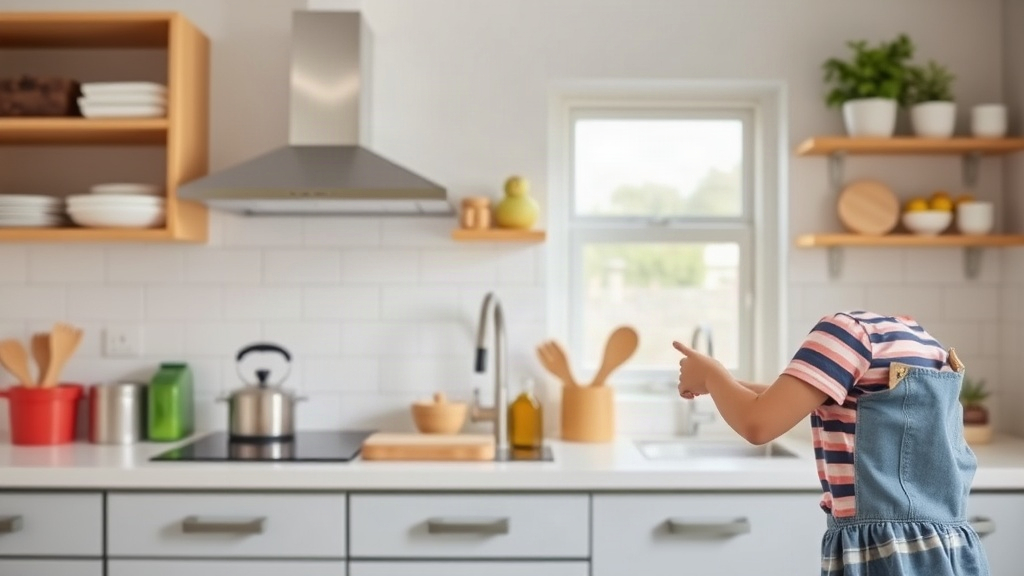
Child-friendly kitchen organization ideas for busy households start with one simple shift: arrange the room around your children’s reach and your own routine. If weekday dinners feel like a scramble, the problem is often storage, not effort. You can browse //newhouseproject.com/ for more home projects, and this guide covers the practical ideas that make a kitchen easier for both kids and parents. The busy-parent version means solutions that take minutes to set up and keep working without daily upkeep.
Quick answer: Store kids’ everyday items on the lowest shelf at their height, keep hazards locked or out of reach, and label everything with pictures and words. The most effective changes cost little: a low snack bin, sturdy step stools, and clear zones for food, dishes, and cleanup.
What is child-friendly kitchen organization ideas for busy?
This approach means placing and storing things so children can help themselves safely while parents still move fast. It is less about decorating and more about matching drawer heights, container sizes, and labeling to the way a small person actually behaves. A child who can reach a cup without climbing gets a drink faster, and you skip the interruption mid-recipe.
Picture the room in three horizontal bands. The bottom band (roughly knee to hip height for a young child) belongs to them: cups, plates, snacks, and a step stool. The middle band is shared counter and drawer space for tasks you do together. The top band holds knives, cleaning supplies, medication, and anything sharp or breakable. Most disorganized kitchens simply mix those bands, which is why kids ask for help constantly and parents interrupt cooking to fetch things.
A busy-parent version also keeps every solution low-maintenance. If a system needs re-sorting each morning, it will collapse by Wednesday. Closed bins, open-top baskets, and picture labels survive real use far better than matched sets and folded liners.
A single "kid drawer" holding cups, snacks, and cutlery together usually works better than three tidy drawers in different corners. Keep one zone where the child stands.
It also means designing for the adult who does the resetting. A system that a parent can restore in under five minutes will survive a hectic week, while one that demands careful sorting will not. Think of the goal as a shared space with clear rules rather than a child-only corner, so both the fastest morning and the messiest baking session end with the same room.
Why child-friendly kitchen organization ideas for busy matter
A kitchen that fits your children saves time on every meal, and small savings add up across a day. If a child can pour their own water or grab a snack, you finish prepping dinner without stopping. Independence also builds real skills: pouring, choosing, and putting things back.
Safety is the other reason this matters. Children are injured in kitchens most often by reaching for hot items or climbing on unstable stacks. Organization lowers that risk because the things they want are reachable and the things they must not touch stay locked or high up. Learning to respect boundaries early pays off for years.
Chaos also wears parents down. A counter crowded with bags, papers, and stray toys makes even a simple breakfast feel harder. When every item has a home at the correct height, cleanup is quicker to teach and quicker to do. Children as young as toddlers can return a cup to a marked shelf.
Weeknight dinners, school mornings, and school-holiday snacks are the pinch points. Organize those three moments first, and everything else follows.
Consider what happens on a morning when everyone is running late. A child who knows exactly where the bowls and spoons live can start breakfast while you pack bags, and the whole departure moves faster. That same setup pays off when a babysitter or grandparent takes over, because the labels and zones explain themselves without a tour. It also reduces the friction that turns small requests into arguments; when a child can reach the apple or the crackers, there is one less negotiation before dinner. Over a year, those saved minutes and calmer moments matter as much as the safety gains.
Best practices
Start with a five-minute audit. Stand where your child stands with the lower cabinets open. Anything they can grab is fair game, whether or not you meant for them to have it. Move sharp tools, glass containers, and cleaning products upward. The cabinet safety for toddlers resource explains the hardware and latches that make this stick.
Create a low self-serve zone. Reserve one shelf or drawer for child-height items: unbreakable cups, small plates, bibs or a cloth, and a snack bin. Place it beside the water dispenser or fridge so a drink and snack need no adult help.
Use picture labels. Young children who cannot read still match an apple drawing to a snack box. Write the word beneath the picture so the labels teach reading as well. Tape works fine; laminating holds up better.
Give them a sturdy work spot. A stable step stool or a learning tower lets a child stand at counter height and stir or wash vegetables. Avoid dragging chairs, which tip easily.
Keep a cleanup kit at floor level. A small caddy with a cloth, a brush, and a dustpan lets a child wipe their own spills without climbing. This is the single handiest item for busy parents.
Clear plastic containers and open-top baskets survive children far better than stacked glass jars. Pick items a child can drop without breaking.
Test the reach line with your own child. Kneel down and check what is genuinely within grasp, since a tall four-year-old and a small two-year-old need different heights. Adjust the shelf before you label it.
Common mistakes to avoid
Buying bins before measuring. Storage containers that do not fit your drawers waste money and create clutter. Measure drawer depth and shelf height first, then shop.
Storing everything at adult eye level. This seems tidy, but children climb to reach it. Move their items down so climbing becomes unnecessary.
Leaving hazards within reach. A common mistake is placing knives or cleaning sprays near the sink because it feels convenient. Put these in a locked drawer or a high cabinet even on busy days.
Overcomplicating the system. Stacked multiple containers and color-coded categories look great but break down fast. Pick one bin for snacks and one for cups, and stop there.
Skipping a clutter reset. Kitchens drift back into disorder every few weeks. Keep a ten-minute reset near the weekend to clear counters and return items to zones.
Only labeling once. Labels collect spills and peel off. Replace them when they wear and your child will keep using the system.
Another frequent misstep is treating the organization as a one-time project. Children grow, and a shelf that suited a two-year-old becomes too low or too babyish for a six-year-old who wants to pack her own lunch. Recheck the child zone at the start of each school year and shift items up a band as your child gains height and responsibility. It also helps to resist the urge to hide the good stuff. Parents often keep the easy snack bin empty of anything a child actually likes, then wonder why it goes unused. Stock it with two or three options your child genuinely reaches for, and refill it during your regular grocery run rather than making a special trip. Finally, avoid solving the same problem twice in different spots; if cups live in the low drawer, do not also leave a stray cup on the counter, or the system loses its logic.
FAQ
How much does a child-friendly kitchen setup cost?
A low snack bin, picture labels, a step stool, and a few unbreakable cups usually cost little. Most families can start with items already at home and add a stool or drawer organizer when the budget allows.
Can I make these changes in a rental kitchen?
Yes. Labels, bins, and sticky hooks come off easily. If you cannot install latches, use cabinet straps or move hazards to a high cupboard instead.
How long does the setup take?
Plan an afternoon for the audit, sorting, and labeling. You can also do it in stages, starting with one self-serve shelf and building from there.
Do these ideas work for toddlers and older kids?
Yes, with a few adjustments. Toddlers need locked cabinets and a low shelf with soft items. Older children can take on more tasks, like putting away dishes or packing snacks.
What about kitchens with very little storage space?
Use vertical space and the backs of doors. A hanging shoe organizer works well for snacks, and a wall rack can hold cups and cloths above the child’s reach line.
Conclusion
Child-friendly kitchen organization ideas for busy parents work best as simple, durable systems. Lower the child zone, lock the hazards, label with pictures, and add a step stool and cleanup kit. Pick up a stool and a couple of bins, then organize one shelf where your children stand. Apply these ideas in stages, starting today, and your kitchen will run a little smoother with every meal.
